Bees are an integral part of the world in we live in. With approximately 20,000 known species they can be found on every continent, other then Antarctica, and in any habitat where you can find flowering plants.
 Bees feed on nectar, which provides energy, and pollen, which provides protein. They also bring pollen back to the hive or nest to feed their larva. They drink nectar from blooming flowers by using their proboscis. You can see in the pictures above, especially the top pic, the proboscis inserted into a flower. They are able to collect pollen because of the slight static charge that they carry due to their furry bodies. The pollen attaches to the bees body as is in contact with the bloom. The bees will then stop to pack the pollen into little saddlebag type pouches on their legs called the scopa. The scopa appears as a golden square on the back leg of the bee above.
Not all of the pollen makes it into the scopa and when the bee makes a visit to another flower some of the pollen may fall off and pollinate the plant. This pollination is important because about one third of our food supply is still pollinated by insects, mostly bees. I photographed this bee on goldenrod last summer at Necedah NWR in Wisconsin.


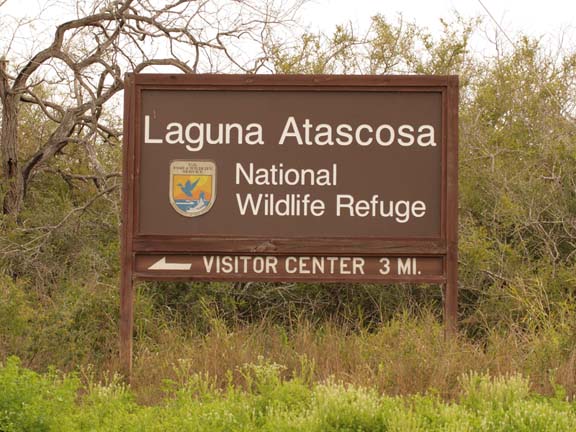


 Besides the thorn forests and the wetlands most of the rest of the refuge is grasslands. A lot of the area that is now grasslands was once used by the military as an aerial gunnery and bombing range